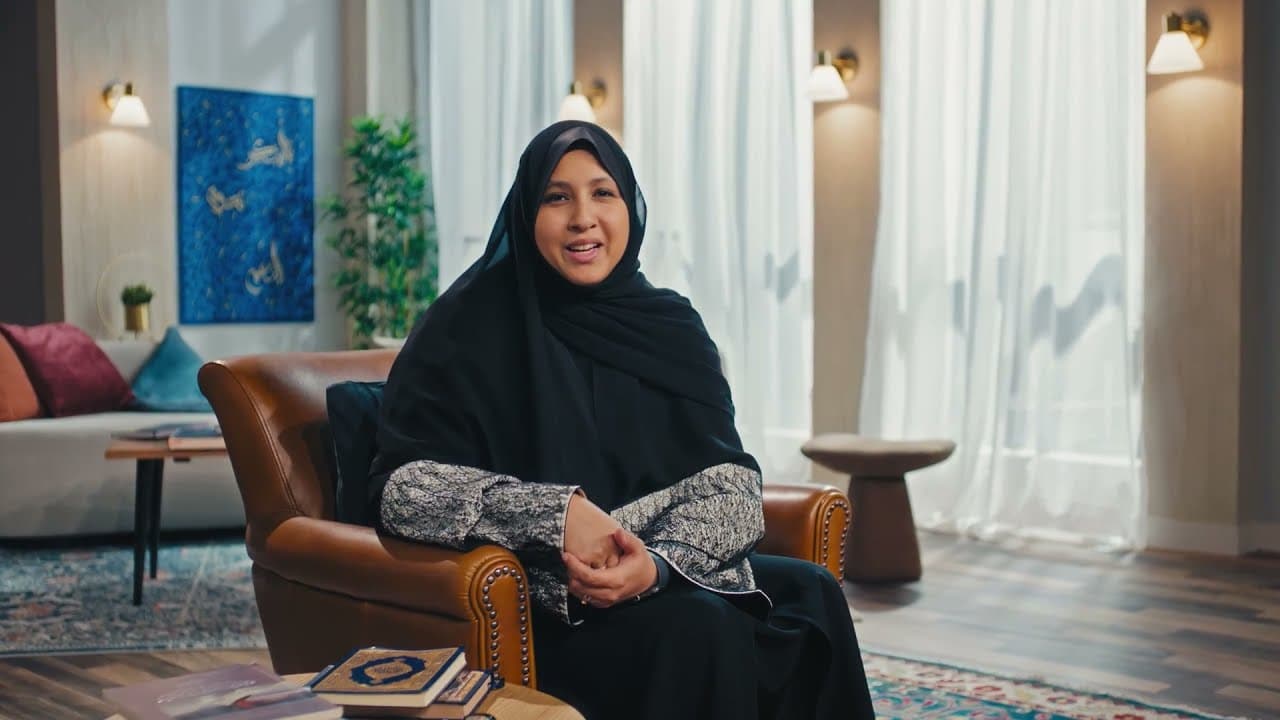

Bika Nahya: making room for meaning in everyday life
An introduction to a program centred on the purposes of Quranic chapters and verses, with an invitation to give their meanings time and attention.
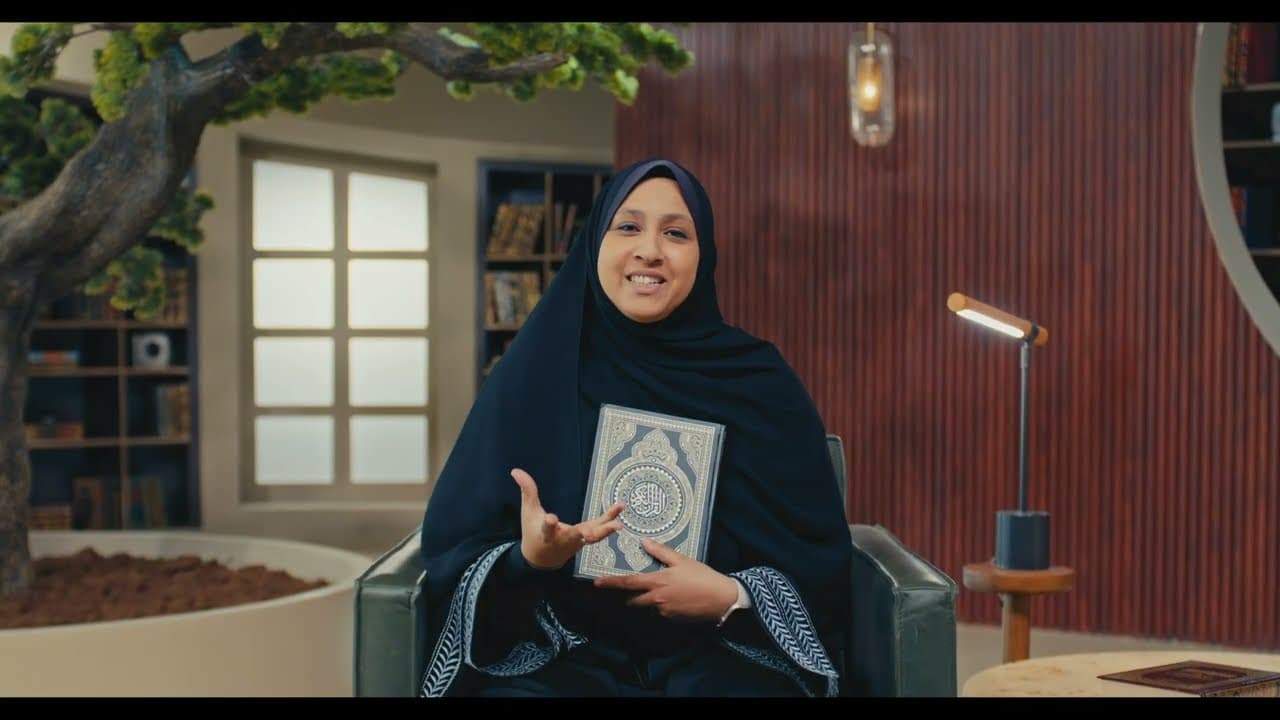
In the middle of an ordinary day, we may need a pause that creates room for understanding. Bika Nahya begins with the purposes of Quranic chapters and verses and connects them with the lives of individuals and communities. A useful introduction to the program is that relationship between meaning and life: what are we reading, and how can we make room for what we understand within our everyday questions?
Beginning with the purposes of the text
The program focuses on the purposes of Quranic chapters, their messages and practical applications, across its three seasons. It approaches these subjects in accessible language, making their relationship with life part of the conversation. Understanding this central idea helps connect the seasons: attention to meanings and their relationship with human life, followed by space for viewers to reflect, ask questions and return to a subject. The program's discussion and the context of each episode provide the clearest route through the themes it explores.
Before watching, you might treat the theme of an episode as an open question rather than a conclusion already reached. Your interest may begin with a meaning that gives you pause, or with a relationship you want to understand more clearly between a chapter's subject and human life. Viewing then becomes an opportunity to listen before rushing towards a conclusion, and to distinguish what the program says from the impressions and questions we bring to it.
Giving an idea time
Choose a moment when you can follow a subject without too many other tasks competing for attention. It does not need to be a long period or a special routine. What matters is that it suits the attention you can give. Afterwards, you might return to one observation rather than try to retain everything you heard. Which idea would you like to hear again? Which question became clearer, or remains open?
If you want to discuss what you watched with someone else, begin with the question that caught your attention, then return to the relevant passage in its context. This leaves space for exchanging understanding without making a single extracted sentence stand for the entire work. Keeping the episode title or its official link can make it easier to return when you want to reconsider something.
Finding your way to the program
The Bika Nahya page brings together its description, themes, season outline and available official viewing links. The work spans three seasons and 93 episodes. These figures describe the extent of the work; your own starting point depends on the subject that interests you and the time you want to give it. Read the program page first, then follow the link to its official playlist.
A new chapter in production
Part four of Bika Nahya is in production. It continues the exploration of the purposes of Quranic verses and their connection with everyday life through contemporary visual and audio content. While that next step takes shape, the existing seasons offer a way into the program and its themes. A small question can be a starting point. Giving it room to develop makes the viewing journey personal, and something you can return to.